The center of gravity for US enterprise AI investment is shifting. Silicon Valley remains the center of AI model development and infrastructure. New York remains the center of financial services AI. But for enterprise AI adoption — the actual implementation of AI into the operational workflows of large organizations — Texas, and the Dallas-Fort Worth corridor specifically, is emerging as one of the most active and consequential markets in the country.
This is not widely discussed in the technology press, which tends to follow the startup and venture narrative rather than the enterprise adoption narrative. But for organizations working at the implementation level — helping large enterprises actually deploy and operationalize AI — the scale and pace of AI investment in DFW is unmistakable.
What Is Driving the Texas AI Market
The Concentration of Enterprise Headquarters
The Dallas-Fort Worth metroplex is home to an unusual concentration of Fortune 500 and Fortune 1000 headquarters — financial services firms, healthcare systems, insurance companies, energy organizations, and retail and logistics enterprises. These are not startups experimenting with AI. They are large, complex organizations with substantial operational footprints, mature technology environments, and the budget to make significant AI investments when the business case is clear.
The relocation trend of recent years has accelerated this concentration — major financial institutions, technology companies, and professional services firms that moved significant operations to Texas have brought with them the sophistication and budget that characterizes AI investment at the enterprise level.
Financial Services: The Leading AI Adopter
Texas's financial services sector — banks, insurance companies, payment processors, and investment firms — is the most active enterprise AI adopter in the state. The use cases are compelling and well-defined: credit underwriting, fraud detection, compliance automation, customer service, and risk management are all AI-amenable and all under competitive pressure. Organizations that have deployed AI in these areas are seeing measurable results — lower cost-to-serve, better risk prediction, faster compliance response — that are driving further investment.
Healthcare: AI as Infrastructure
Texas's healthcare sector — major health systems, hospital networks, and the growing digital health ecosystem around them — is at a different stage of AI adoption. The use cases are equally compelling, but the implementation complexity is higher and the regulatory requirements for clinical AI are stringent. The most active investment areas are administrative and operational AI — prior authorization, revenue cycle management, scheduling optimization — where the complexity is manageable and the ROI is clear.
→ Financial services: credit AI, fraud detection, compliance automation, customer intelligence
→ Healthcare: revenue cycle AI, prior auth automation, clinical decision support, telehealth AI
→ Insurance: underwriting AI, claims processing, fraud detection, customer segmentation
→ Energy: predictive maintenance, demand forecasting, grid optimization, safety AI
→ Logistics and retail: supply chain AI, demand planning, last-mile optimization
"Texas is not where AI gets invented. It is where AI gets implemented at scale — in the operational workflows of large organizations that have to make it work in production, not just in a demo."
What This Means for CXOs in DFW
The pace of AI adoption among peer organizations in the DFW market is creating competitive pressure that was not present three years ago. Organizations that have successfully deployed AI in underwriting, fraud detection, or customer service are operating with cost structures and response times that are difficult for non-AI organizations to match. The competitive gap is not yet decisive in most sectors — but it is growing.
For CXOs navigating this environment, the most important insight is that the time for AI experimentation has largely passed. The organizations that are building competitive advantage in Texas enterprise markets are not running pilots. They are deploying at scale, measuring outcomes, and reinvesting in the applications that perform. The relevant question is not whether to invest in AI — it is where to invest first, how to build the organizational capability to deploy it well, and how to sequence the investment to build advantage rather than just capability.
The Texas Talent Context
One frequently underestimated advantage of the Texas enterprise AI market is the talent dynamic. The cost of AI talent in Texas is meaningfully lower than in San Francisco or New York, and the quality of the talent — particularly in the enterprise technology disciplines that enterprise AI requires — is genuinely competitive. For organizations building in-house AI capability, this matters. And for organizations working with external partners, the Texas market offers a growing ecosystem of AI implementation organizations with enterprise credentials.
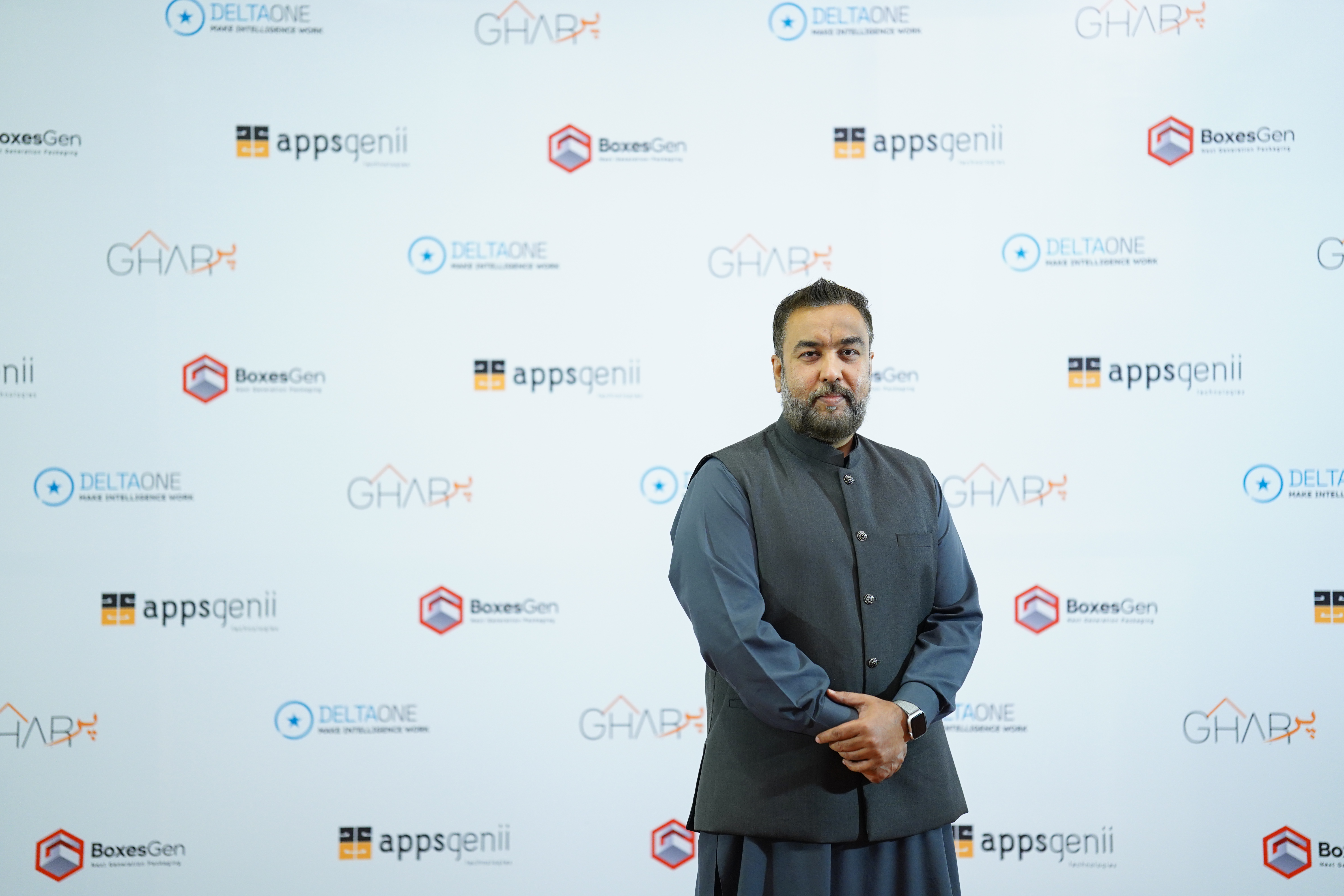
Mudassir Saleem Malik is based in Richardson, Texas, and works with enterprise organizations across the DFW corridor on AI strategy and implementation. He is CEO of AppsGenii Technologies.